

U.S. apparel prices are climbing, adding pressure on fashion brands and forcing consumers to stretch their budgets further. The rise is reshaping retail pricing, affecting purchasing behavior, and putting inventory and margin strategies under strain.
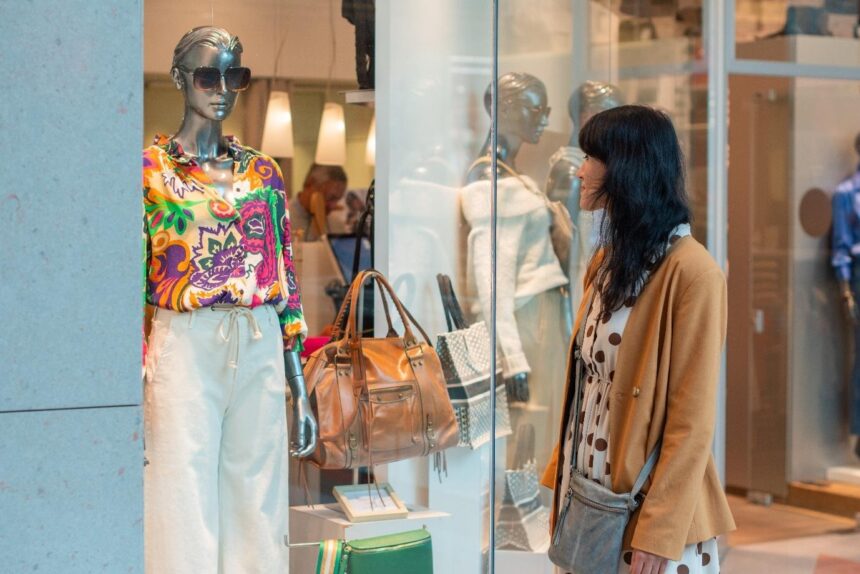
The increase has been felt across multiple clothing categories, with outerwear and jackets among the sharpest movers. That means the impact is likely to be most visible in seasonal shopping, where consumers often face higher prices for wardrobe essentials.
Inflation remains a key driver, lifting costs for raw materials, labor, transportation, and manufacturing across the supply chain. Trade-related pressures and sourcing changes are making it even harder for apparel companies to absorb those expenses without passing them on.
Retailers are responding in different ways. Fast-fashion and value-driven brands are trying to stay competitive by limiting price hikes, while higher-end labels are more willing to adjust prices to protect profit margins. That is widening the divide between affordable basics and premium fashion items.
For shoppers, the trend could mean fewer impulse buys, more discount hunting, and delayed purchases. For the industry, it signals a tougher environment where pricing decisions and stock planning will be increasingly important as inflation continues to shape the U.S. fashion market.