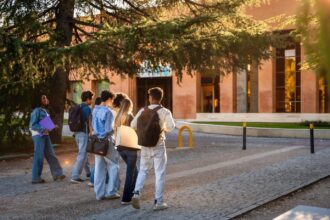



Children across Cornwall are playing a growing role in the revival of Kernewek, the historic Cornish language, as schools and local groups work to bring the Celtic language back into everyday life.
At a recent Go Cornish Celebration event in Truro, nearly 200 students gathered to share songs, stories, artwork, and activities inspired by the language. For many young learners, discovering Cornish has become a way to connect with the region’s history and identity.
Teachers involved in Cornish language programmes say students are enthusiastic about learning new words and exploring traditions linked to their local communities. Educators believe the language gives children a stronger connection to Cornwall’s cultural heritage while introducing them to a different way of expressing ideas.
Cornwall Council is now developing a long-term plan aimed at expanding the use of Kernewek across public life. The strategy includes increasing language learning in primary schools, encouraging bilingual signs, and making Cornish more visible in community spaces.
Local leaders say the goal is to create a future where the language is not only preserved but regularly used by residents. They point to the success of other Celtic languages, such as Welsh, as examples of how investment and education can help minority languages grow.
The language recently gained increased recognition through its inclusion under the European Charter for Regional or Minority Languages, giving it greater protection and status.
Although estimates of current speakers vary, campaigners say Kernewek has experienced a significant revival after declining as a community language centuries ago. Modern efforts have largely been supported by volunteers, educators, and cultural groups.
Interest in Cornish has expanded through new learning projects, media productions, and cultural events. Podcasts, films, and public ceremonies using the language have helped introduce Kernewek to wider audiences.
Supporters argue that protecting the language is about more than communication. They say it represents Cornwall’s identity, history, and connection to place.
However, some critics question whether funding should be prioritized for language programmes while the region faces challenges including housing pressures, public services, and economic concerns.
Language advocates respond that cultural investment has wider benefits, bringing communities together and helping younger generations understand their heritage.
Organizers behind school-based Cornish learning programmes say the enthusiasm from children shows the language has potential to continue growing. They believe introducing Kernewek at an early age can help create a new generation of speakers.
As Cornwall continues efforts to expand the everyday use of its historic language, supporters hope that what was once at risk of disappearing can become a visible and lasting part of modern life.