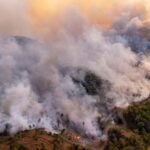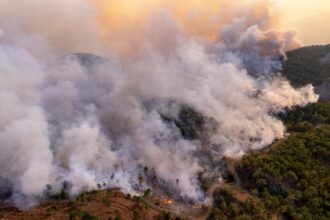



RALEIGH, N.C. — With the Fourth of July holiday approaching amid one of the driest starts to the year on record, fire safety experts are urging residents across North Carolina’s Triangle region to take extra precautions to reduce the risk of fires.
According to weather data, the Raleigh area has experienced exceptionally dry conditions, prompting water restrictions in several central North Carolina communities as reservoir levels continue to decline. Fire officials note that while drought does not directly ignite fires, it creates conditions that allow flames to spread faster and burn more intensely.
Professional Restoration Services, a fire and water damage restoration company serving the Triangle, reports that while the number of fire-related service calls has remained relatively stable compared with last year, the nature of incidents has changed. The company has observed an increase in outdoor fires originating in dry vegetation, brush, and trash containers before spreading to nearby homes.
Indoors, restoration crews continue to respond primarily to fires linked to kitchen accidents, electrical malfunctions, and lithium-ion batteries. Recent battery-related incidents in Wake County have reinforced concerns about the improper disposal of rechargeable batteries, which can still pose a fire hazard even after they appear depleted.
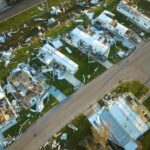
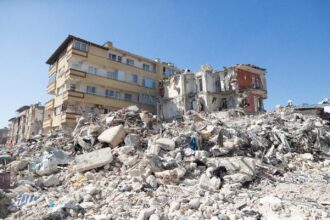
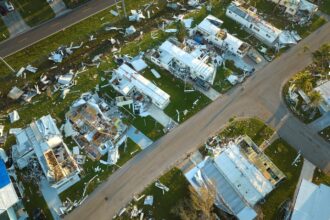
The company notes that smoke damage restoration can cost thousands of dollars, while more severe structural fires may require significantly higher repair expenses. Because firefighting efforts often involve large amounts of water, many affected properties require both fire and water damage restoration.
Fire safety professionals recommend that homeowners review family emergency evacuation plans, regularly test smoke alarms, keep fire extinguishers accessible, and create a home inventory with photographs or videos to simplify insurance claims if damage occurs.
With dry weather expected to continue through the summer, residents are encouraged to remain vigilant, properly dispose of lithium-ion batteries, and follow guidance issued by local fire departments to help reduce wildfire and residential fire risks.