

Autonomous delivery robots are becoming more common on city sidewalks, but their expansion is creating debate among residents, officials, and workers over safety, accessibility, and the future of local deliveries.
In Chicago, some residents who initially viewed the robots as a sign of technological progress have raised concerns about their impact on pedestrians. Josh Robertson, a local resident, said his opinion changed after repeated encounters with the machines during family walks. He later started a petition calling for stricter oversight and additional safety reviews before wider adoption.
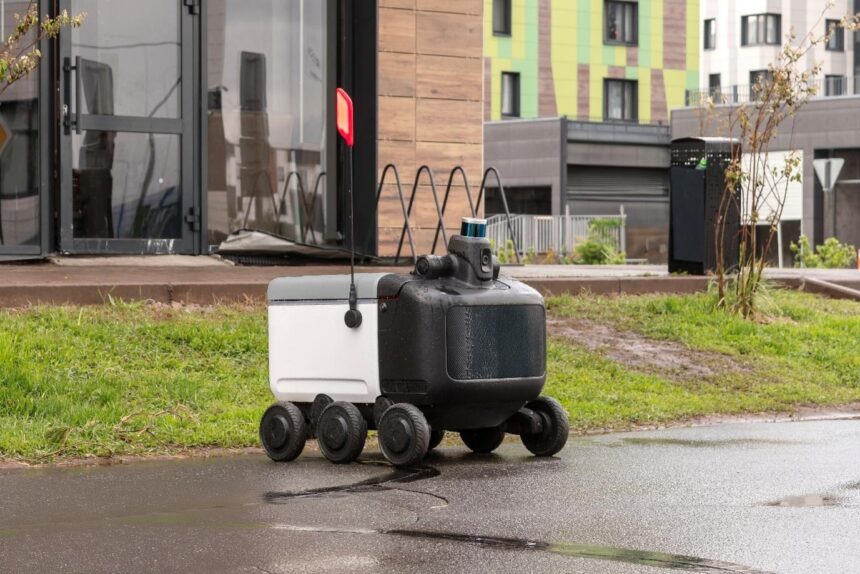
Companies operating these robots argue that the technology is designed to improve urban deliveries. The machines rely on cameras, sensors, and navigation systems to move around obstacles, cross roads, and complete short-distance deliveries while potentially reducing vehicle traffic and emissions.
However, some communities have introduced restrictions as concerns continue to grow. Several cities have limited where delivery robots can operate, while others have considered temporary bans due to complaints about blocked sidewalks, pedestrian disruption, and unexpected encounters.
Officials and community groups are calling for clearer regulations covering operating areas, insurance requirements, accessibility protections, and responsibility when accidents or technical failures occur. Critics have also raised concerns about possible effects on delivery workers as automation expands.
The debate is also gaining attention internationally. In the UK, some delivery robot trials have faced public resistance, while worker organizations have warned that widespread adoption could affect jobs in the delivery sector.
Despite the concerns, analysts expect the delivery robot industry to expand significantly in the coming years, with different countries taking different approaches to regulation. Supporters say the technology represents the future of urban logistics, while critics argue that growth should happen with stronger protections for pedestrians and workers.