

A growing array of consumer devices that monitor hydration — from sweat-analyzing patches to smart water bottles and toilet-rim urine sensors — are entering the market as heatwaves and public-health campaigns put fluid intake in the spotlight.
Manufacturers say their products help users avoid dehydration by measuring indicators such as sweat rate, salt content, skin temperature and urine specific gravity, then delivering personalized alerts or scores. Epicore Biosystems, for example, offers single-use patches and wearables that feed real-time sweat data into apps that calculate a user’s “sweat score” or “hydration readiness.” Companies say these tools are used by athletes and workers in hot settings, including construction and airports, to reduce heat-related risk.
Independent researchers caution the technology is not yet foolproof. Laboratory tests of several sweat sensors have shown inconsistent accuracy, particularly during short, intermittent activity rather than long, steady exertion, researchers say. University scientists also note that urine-based measures can lag behind real-time changes in hydration, limiting their usefulness for immediate decision-making.
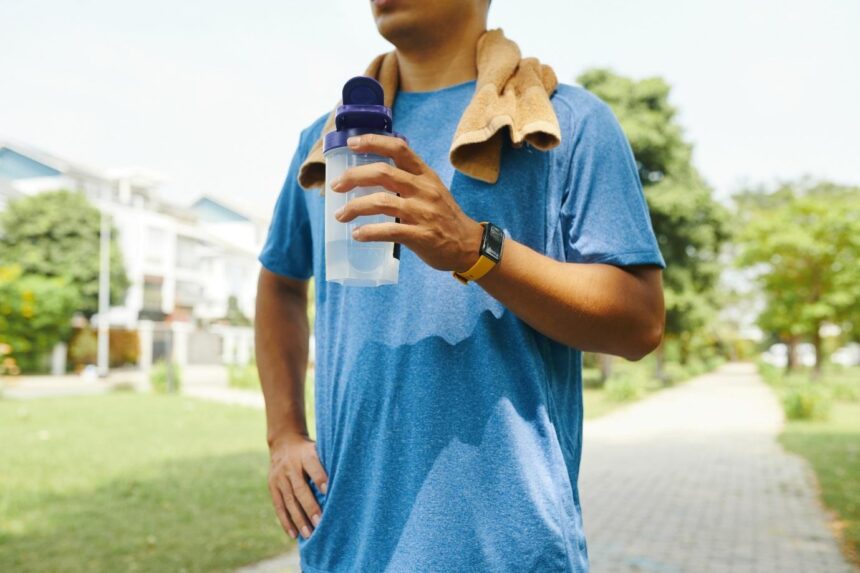
Smart water bottles are among the most widely adopted products. Some estimate remaining fluid by weight, while others use motion and flow sensors to detect sips and prompt users with lights, vibrations or gamified reminders. Firms acknowledge calibration issues can affect performance, but say software updates and proper setup typically resolve such problems.
Beyond measurement accuracy, experts warn of potential downsides. Some health researchers say continuous tracking may increase anxiety for certain users and could overmedicalize normal bodily variation. Worker and public-safety advocates emphasize the potential benefits, arguing targeted monitoring may protect vulnerable individuals who might not otherwise report symptoms of dehydration.
Market analysts predict significant growth for hydration tech as climate change raises heat-related risks and employers seek new safety tools. However, scientists and consumer-protection advocates call for standardized testing, clearer guidance and more peer-reviewed evidence to distinguish effective devices from gimmicks.