


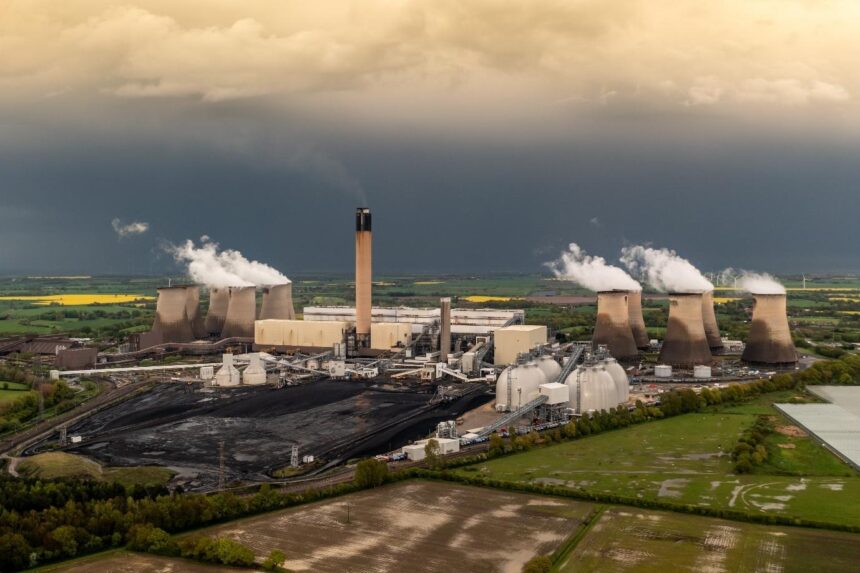
Germany is weighing whether to soften its coal exit plan as rising energy costs and supply concerns put pressure on its power system. The country has pledged to phase out coal by 2038, with lignite, its dirtiest and most polluting form of coal, scheduled to disappear even earlier by 2030. But recent developments in the global energy market are forcing policymakers to reconsider how fast that transition can happen.
Coal still plays a major role in Germany’s electricity supply, accounting for about 20% of generation. At the same time, renewables now provide more than half of the country’s power, with wind and solar forming the backbone of its long-term energy strategy. The challenge is that these sources are intermittent, especially during winter, when demand is high and renewable output can be lower. To fill the gap, Germany has planned to rely more on natural gas, which produces less carbon dioxide than coal.
That plan has become more complicated because gas prices have risen sharply in the wake of international tensions in the Middle East. Higher gas costs have made coal look more attractive again, not only in Germany but in other countries as well. Japan has eased some of its coal rules, Italy has delayed the closure of its remaining coal plants, and India has postponed maintenance shutdowns at coal-fired facilities. Germany is now facing similar pressure to balance climate commitments with economic realities.
The country’s energy debate is shaped by two major concerns: supply and price. Germany has large reserves of lignite and is fully self-sufficient in that fuel, which makes it cheap and readily available. By contrast, it imports nearly all of its natural gas. That means whenever global gas prices rise, coal becomes a far more appealing backup option for both government and industry.
Germany’s decision to shut down its last nuclear plants in 2023 has added to the pressure. With nuclear power off the table, policymakers have fewer reliable options when wind and solar cannot meet demand. That has opened the door to a difficult political debate about whether coal plants should remain available for longer than originally planned.
Industry groups argue that energy affordability and reliability must come first. For manufacturers and heavy industry, stable power supplies are essential for investment and competitiveness. Business leaders say companies will only commit large sums if they believe electricity will remain available at predictable prices. That concern has given extra weight to calls for keeping some coal capacity in reserve.
Energy companies that operate lignite plants are also pushing for a more flexible approach. They say the plants could help stabilize the grid and provide power to millions of homes if kept online longer. Supporters of this view argue that maintaining a strategic reserve would strengthen energy security without completely abandoning the transition to cleaner sources.
Environmental researchers and climate advocates strongly disagree. They warn that giving coal a longer life would slow Germany’s energy transition and lock the country into more fossil fuel use just as it should be accelerating the shift to renewables. They argue that the answer is not more coal, but faster investment in clean energy and grid flexibility.
The government’s coalition makes the decision even harder. The centre-right parties are more open to extending coal use, while the SPD remains opposed to weakening the phase-out. A formal review due in August will examine whether the existing coal deadline should be kept, adjusted, or partially relaxed.
For now, Germany is not abandoning its coal phase-out. But it is clearly rethinking how fast that exit should happen, and whether coal should remain part of its energy mix as a backup for security and affordability.